Who Benefits from an Accessible Website?
Curb cuts were built for wheelchairs. Everyone uses them.
Beau Access Solutions makes apps that start accessible — screen-reader-first, privacy-respecting, and clearing WCAG 2.2 AA as a floor — across chronic illness, community, veterans' benefits, and the web itself. We also help teams build and defend accessible experiences of their own.
What we're building
iOS beta
Chronic-illness & symptom tracking
Live · beta
Peer-support community
Early access
Veterans' benefits assistant
Open beta
Accessible-places directory
Live
Plain-language disability reference
Beta
Fix accessibility on any site
Experimental
Screen-reader reachability check
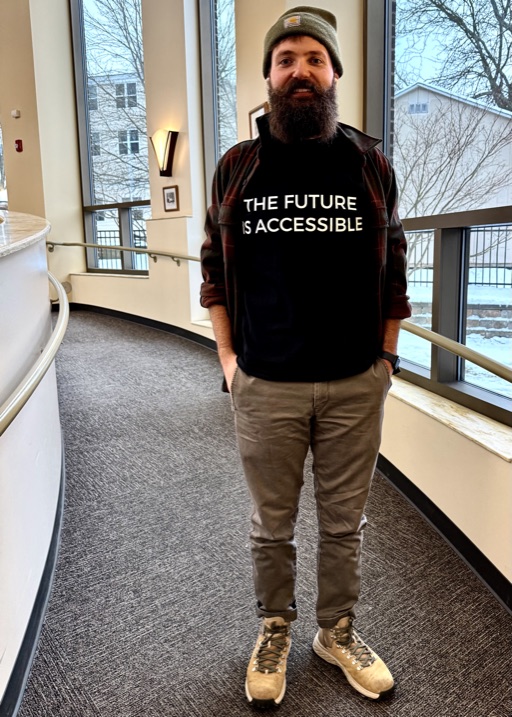
Why I build this
I developed a disability in the military that changed how I navigate the world. Since then, I've been on both sides of the systems that determine whether you get support, healthcare, and accommodations.
I've decided to turn that experience, and my training, into tools other people can actually use.
Zach Beaudoin
Founder, Beau Access Solutions
Most accessibility problems don't come from bad intentions. They come from designing for how a site looks instead of how it's used.
User-centered accessibility asks simple questions:
When websites are built around real user needs, accessibility follows—and usability improves for everyone.
That's why we work at both levels—digital and organizational.
A fixed-scope engagement that leaves you with a defensible accommodation system in about a month.
Designed for HR/People Ops, DEI, and Student Services leaders who need clarity fast.
Two connected tracks: fixing your digital presence, and building your team's capacity.
We evaluate websites and digital materials the way real users experience them: with screen readers, with a keyboard, by hand. Automated scans catch a fraction of what's actually broken. You get plain-language findings your team can act on, ordered by how much they hurt.
Most accessibility failures are organizational before they're technical. We run sessions for HR teams, disability services staff, and managers on understanding disability, handling accommodations, and building places where access is simply how things are done.
These are working sessions. People talk, disagree, and leave with something they'll use on Monday.
Request a free accessibility snapshot: a short summary of your top barriers and what to do about them. It's yours to keep either way.
Curb cuts were built for wheelchairs. Everyone uses them.
What the different WCAG levels mean and which one you need.